Author archive

Vera Halliday

Editor-in-chief, Field Investigations

Vera Halliday avatar

Vera runs editorial and field investigations for Sighted. Her background is investigative journalism — pre-Sighted she covered defence, aviation incidents, and the long, unglamorous work of cross-checking witness statements. She's a skeptic by trade and a writer by choice. Most of what she publishes is about how to be wrong less often, not about what's out there.

6 posts published
A glowing translucent data panel floating in a dark navy void, cyan validation gauge at the edge.

How the validation score is computed

The number on every sighting page isn't a probability of anything exotic. It's a measure of how well-evidenced the report is — here's exactly how we get there.

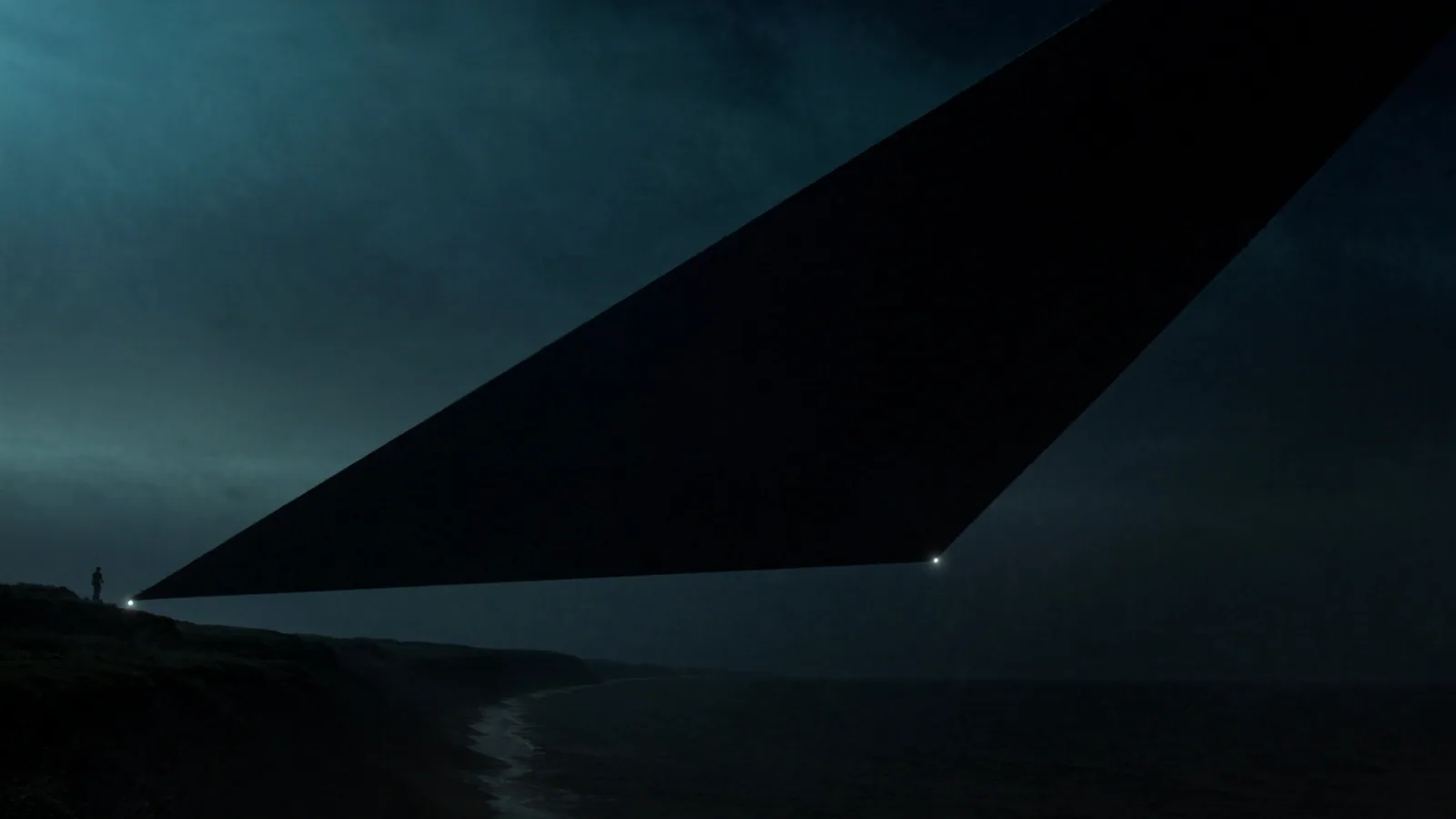
A dark triangular craft silhouette holding altitude over a moonlit Pacific coastline at night.

Anatomy of a triangle cluster

Triangular formations are the second-most-reported category we see. What separates a strong report from a confused one — and why "silent" is doing a lot of work in those descriptions.

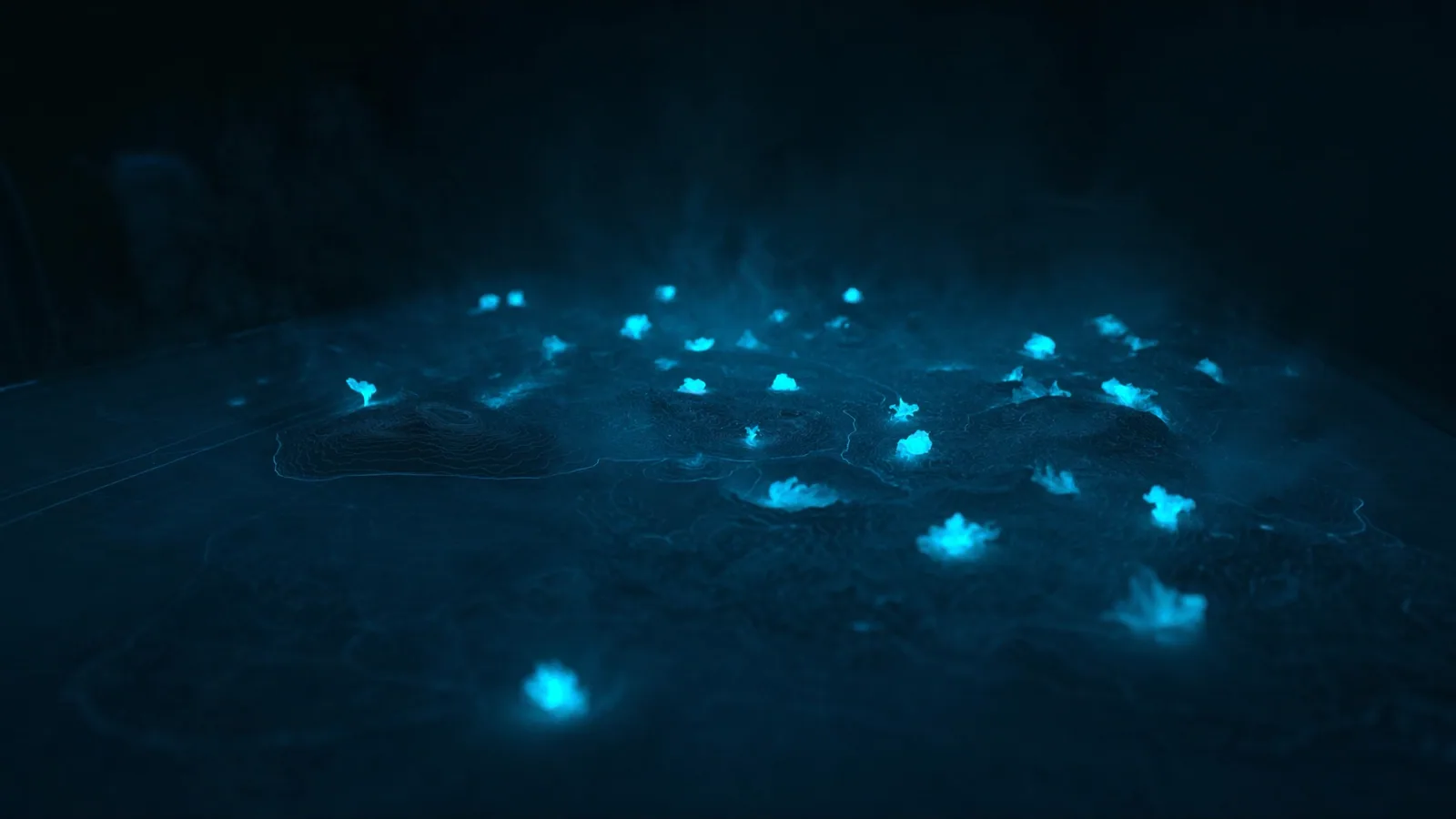
A war-room situation table rendering a coastline as a glowing cyan heatmap, with brighter intensity blooms scattered across the surface.

Reading the heatmap: hotspots aren't always sightings

The bright cells on the live map are showing you density, not intensity. Here is what each layer actually represents and which one you want.

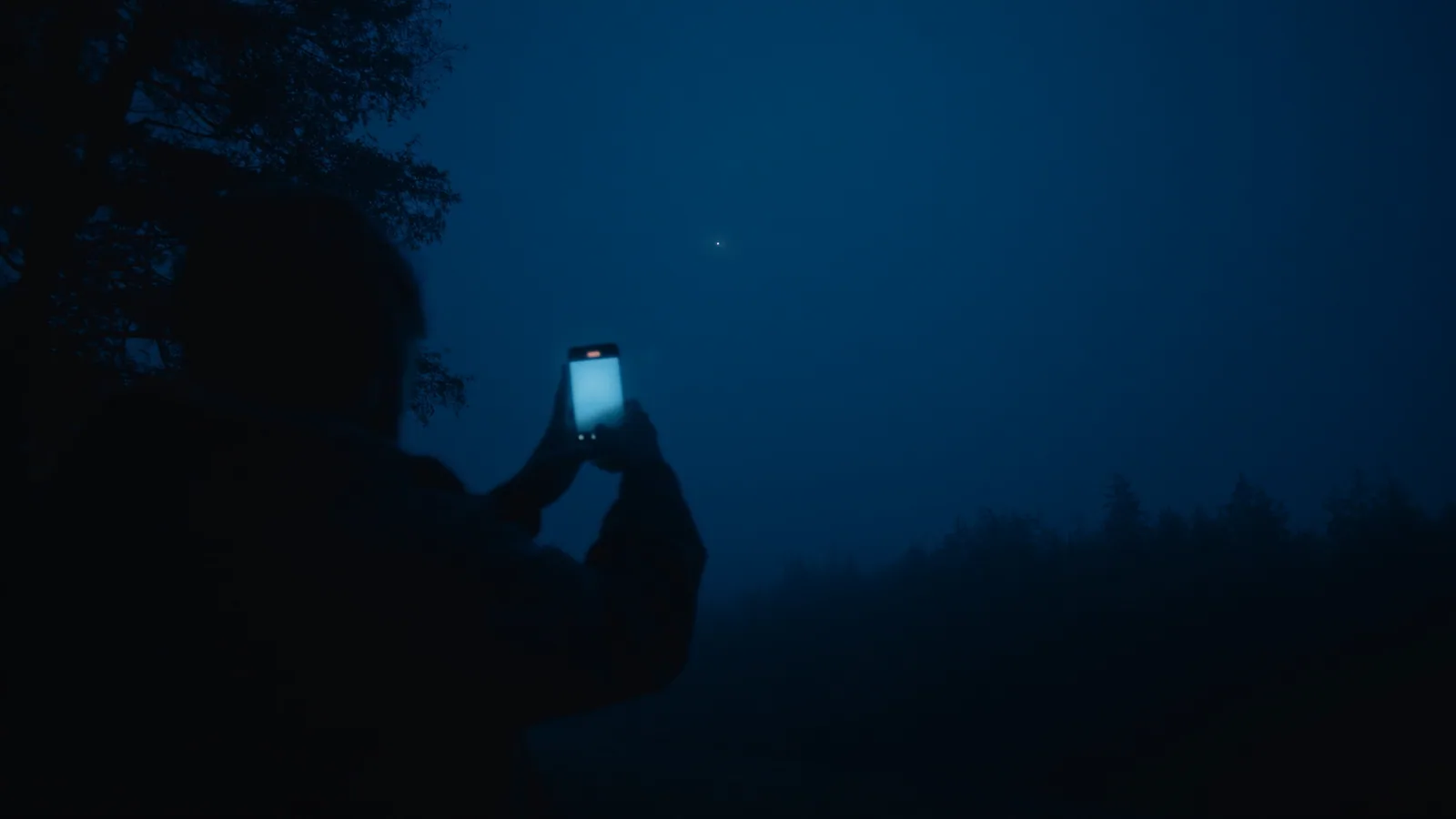
Silhouetted hands holding a phone aimed at a deep blue night sky, a single bright unidentified light visible above the treeline.

Witness etiquette: filing a report that survives review

Most reports that get pulled or downvoted don't fail because the sighting was wrong. They fail because the report was sloppy. Here's the checklist we wish every first-time reporter had.

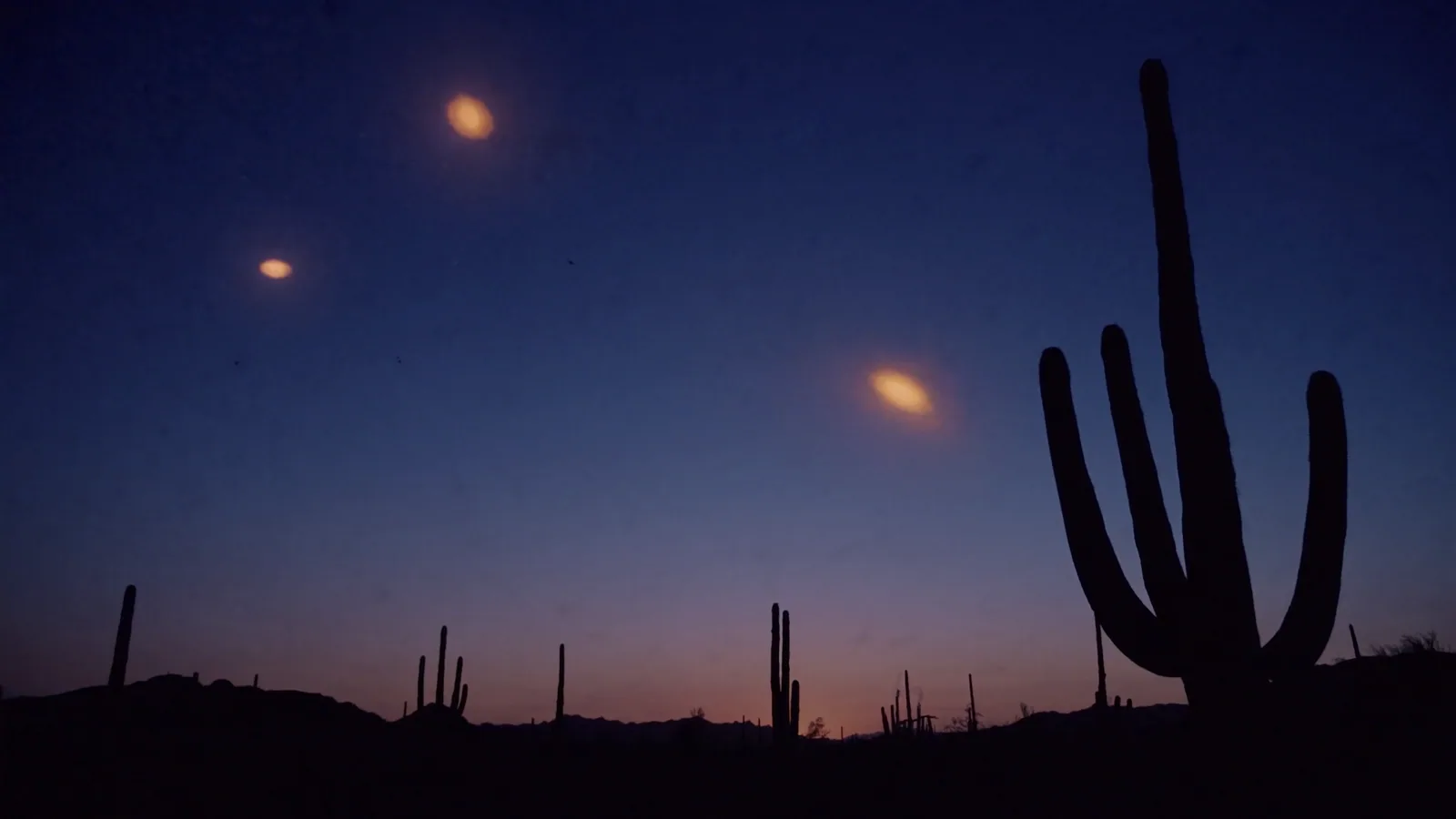
Saguaro cactus silhouettes against a dusty-rose Sonoran twilight sky, three amber orbs hovering in loose formation low on the horizon.

Why orb clusters keep showing up in the Sonoran corridor

The Phoenix–Tucson corridor produces more orb-category reports per capita than almost any other region in our dataset. Some of that is real. Some of it is geography. Pulling them apart.

A manila evidence folder under a single warm overhead lamp on a dark wooden desk, redacted documents partially visible.

The Sighted method: why we don't accept anonymous submissions

A pseudonymous handle is fine. A black-box submission with no traceable chain of custody isn't — and the reasons aren't what most people guess.